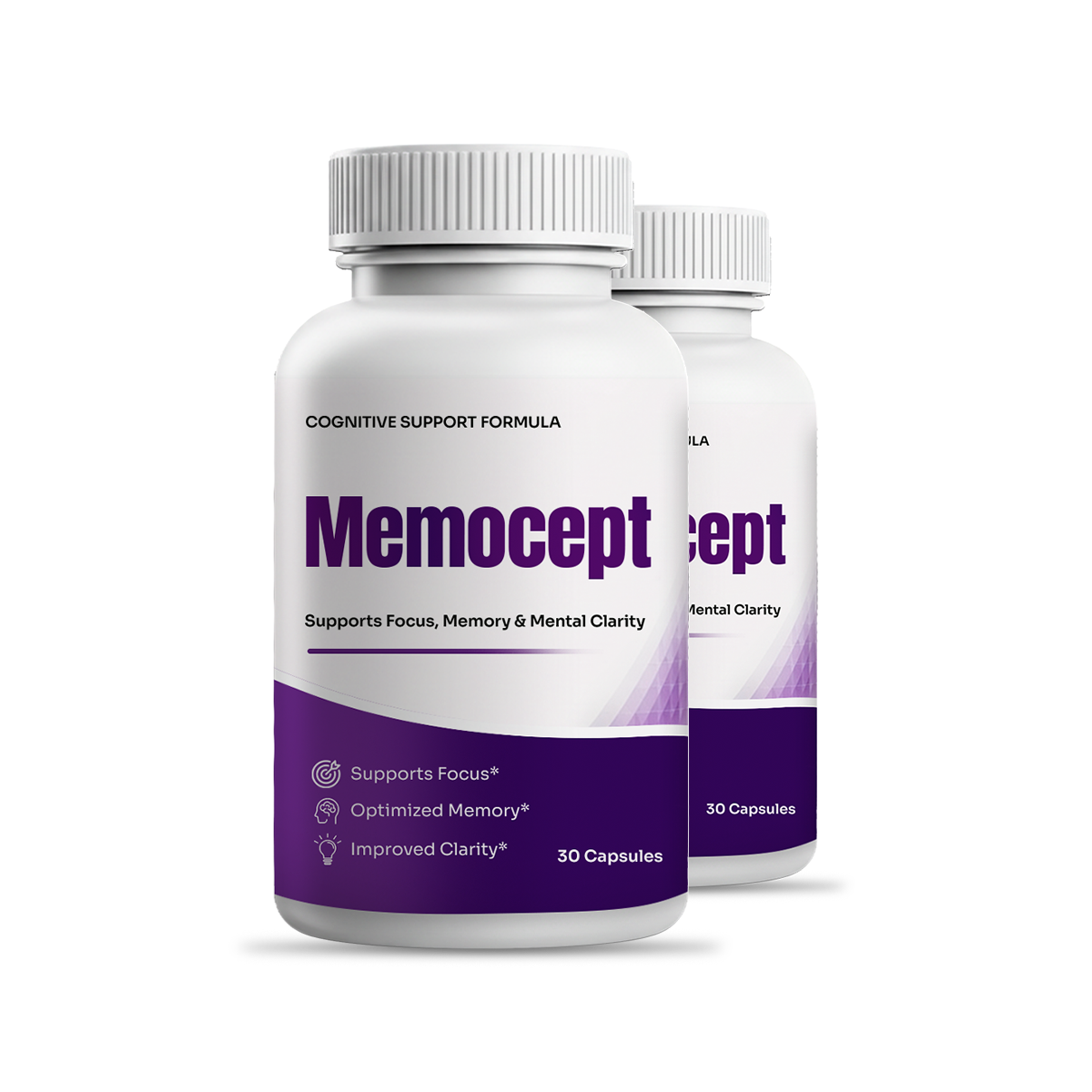
Memocept — Worth Trying in 2026?
Memocept is a daily brain health supplement built for people who have tried caffeine stacks, generic multivitamins, and focus apps — only to find their memory still falters and their thinking still clouds over by midday. Unlike broad-spectrum wellness products, Memocept targets the specific neurochemical environment where mental sharpness either holds or slips. Clarity and recall that actually last through the afternoon are what this formula aims to deliver.
Your Memory Is Letting You Down — and Nothing You've Tried Has Stuck
Across the formula, months of fish oil capsules, brain-training apps, and cutting out sugar — and still the name you know perfectly well disappears mid-sentence. Cognitive fog does not mean weakness or laziness; it means the interventions most people reach for were never designed to address what is actually happening at the neurochemical level.
- ✕You walk into a room and stand there blankly, the reason you came in completely gone.
- ✕Conversations stall when you can not retrieve a word that was on the tip of your tongue seconds ago.
- ✕Reading the same paragraph three times because your focus dissolves before you reach the end is quietly exhausting.
- ✕Hundreds of dollars spent on nootropic stacks that delivered nothing but expensive urine and mild disappointment.
Standard brain supplements often flood the system with stimulants or single-nutrient megadoses, masking sluggishness rather than addressing the underlying gaps in neurotransmitter support and cerebral blood flow that drive forgetfulness. Patching the surface without supporting the deeper architecture is why so many approaches feel good for a week and meaningless by month two.
What Is Memocept and How Is It Built?
On the safety side, adults experiencing age-related memory lapses, professionals dealing with sustained cognitive load, and anyone whose mental sharpness has quietly eroded over the past few years represent the core audience Memocept was assembled for. Younger users managing high-demand workloads also report fitting the profile well.
Viewed against category norms, bacopa Monnieri, Lion's Mane Mushroom, Ginkgo Biloba, Phosphatidylserine, Huperzine A, Rhodiola Rosea, and Acetyl-L-Carnitine appear together in the Memocept formula because each targets a different segment of cognitive function — cholinergic support, neurogenesis signalling, cerebrovascular circulation, membrane integrity, and oxidative stress management. Choosing ingredients that operate through distinct mechanisms reduces the risk of overlapping mechanisms producing diminishing returns, which is a common structural flaw in single-pathway nootropic products.
Cutting through the claims, memocept capsules are produced in a GMP-certified, FDA-registered manufacturing facility, which means every production batch is held to standardised controls for ingredient purity, potency, and cross-contamination prevention — quality assurances that matter especially when working with plant extracts prone to potency variance.
Memocept's formula pairs cholinesterase inhibition via Huperzine A with neurotrophin-stimulating Lion's Mane — a combination rarely found together in over-the-counter cognitive support products.
How Memocept Supports Brain Function Over Time
Weeks 1–3: Cholinergic Activity and Initial Circulation Support
Across the formula, huperzine A begins inhibiting acetylcholinesterase — the enzyme responsible for breaking down acetylcholine — within the early weeks of consistent use, allowing higher acetylcholine availability in synaptic gaps. Ginkgo Biloba simultaneously begins supporting cerebral microcirculation, which research suggests may improve oxygen and glucose delivery to cortical tissue.
Weeks 4–8: Synaptic Membrane Reinforcement and Adaptogenic Load Management
In real terms, phosphatidylserine accumulates in neuronal membranes gradually, where it has been studied for its role in maintaining membrane fluidity and receptor density — both factors linked to signalling efficiency in human studies. Bacopa Monnieri requires sustained intake for its active bacosides to exert their documented effects on dendritic branching and synaptic protein synthesis, which explains why trials routinely run twelve weeks. Rhodiola Rosea's adaptogenic action on cortisol-mediated cognitive interference also becomes more measurable across this window. Acetyl-L-Carnitine contributes to mitochondrial energy substrate availability, a mechanism that supports sustained mental output during cognitively demanding periods.
Weeks 9–12+: Neurotrophin Signalling and Sustained Neuroprotection
Viewed against category norms, lion's Mane Mushroom, specifically its hericenone and erinacine compounds, requires the longest accumulation arc — animal and preliminary human research indicates its effects on Nerve Growth Factor stimulation build over extended supplementation periods. Continued Bacopa and Phosphatidylserine intake at this stage may compound the structural memory improvements initiated in earlier weeks.
From People Who Tried It
Illustrative accounts — your experience may vary
“Switched over from a popular two-ingredient phosphatidylserine-only brand that had stopped producing any noticeable effect for me after eight months. By week three with Memocept, my recall during work presentations felt noticeably more fluid — less hesitation when pulling up specific details mid-conversation. My reading comprehension across longer documents also improved in a way I hadn't expected. Not dramatic, but consistent and measurable.”

“Construction project management means holding a hundred variables in your head simultaneously, and by week eleven the mental fatigue at 3pm had clearly reduced compared to where I started. Keeping track of sequencing, subcontractor timelines, and budget figures across a full workday feels less draining now. Recovery between mentally demanding tasks is faster.”

“A professional re-certification exam gave me the push I needed to try something different after two failed cramming sessions the year before. Started Memocept about three months before the exam date, partly out of desperation and partly out of curiosity about the Lion's Mane and Bacopa combination. At twelve weeks, retention of new study material had genuinely improved — I was holding onto information from sessions earlier in the week without needing to re-read everything the night before. Passed the exam on the first attempt. Can not attribute everything to a supplement, but the mental consistency across those twelve weeks was different from anything I had experienced.”

Purity You Can Verify
 GMP Quality MarkManufacturing quality verified
 FDA-Compliant FacilityManufacturing site registered with the FDA
 Made in AmericaProduced in the United States
 Clean FormulaClean ingredient profile — no artificial compounds
Select Your Memocept Package
Multi-bottle packages ship free within the US
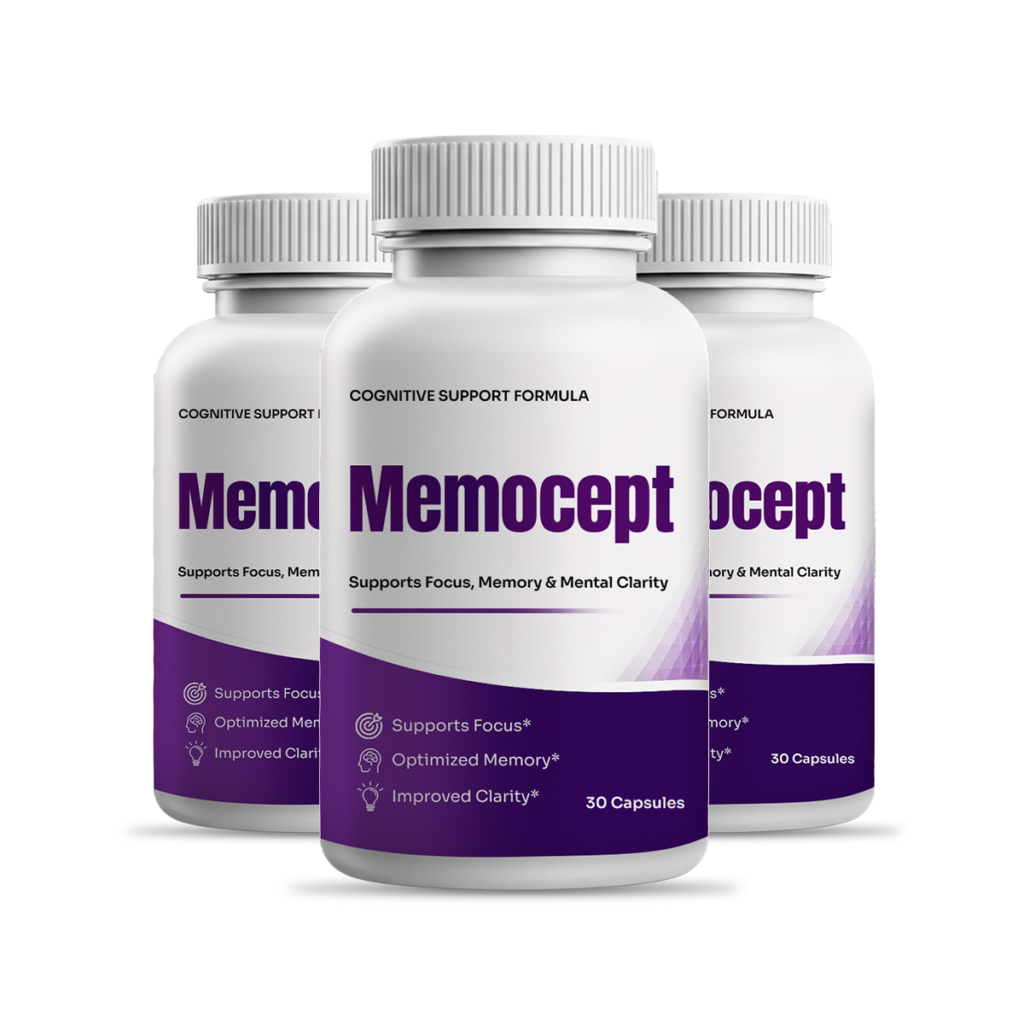
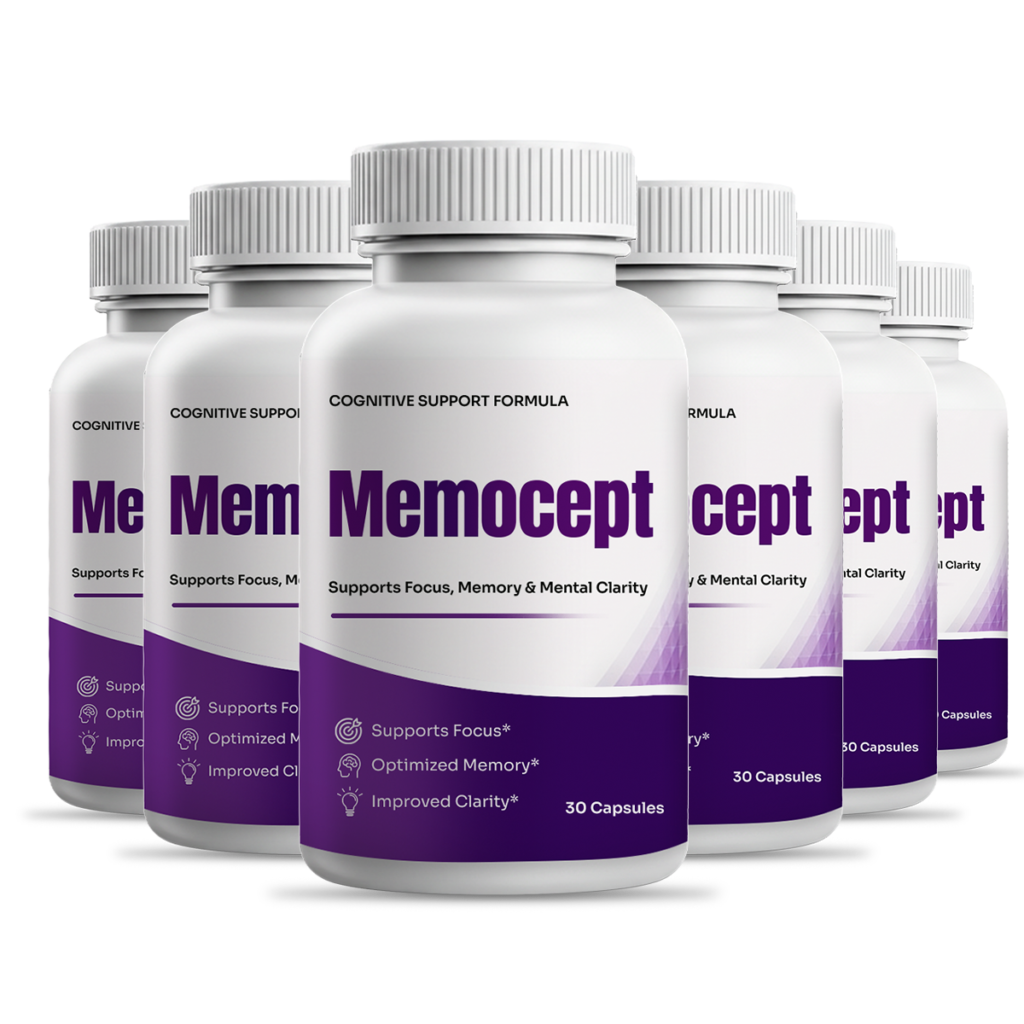
Order From: Not available on Amazon or in stores. Only manufacturer-direct orders carry the full guarantee.
What Memocept May Support
Memory Recall Speed
By design, bacopa Monnieri and Phosphatidylserine have both been studied for their effects on retrieval speed and delayed recall accuracy. Users report that names, numbers, and stored information surface more readily after consistent use over six to twelve weeks.
Sustained Mental Clarity Without Stimulant Dependency
From a sourcing standpoint, rhodiola Rosea's adaptogenic mechanism may support mental endurance during high-demand periods without the cortisol spike and subsequent crash associated with caffeine-heavy nootropic stacks. No stimulants appear in the Memocept formula.
Cerebral Blood Flow and Cognitive Circulation
In practice, ginkgo Biloba has been studied for its vasodilatory effects on microcirculation in the brain, a mechanism linked to improved oxygen delivery to cortical regions involved in attention and executive function.
Cholinergic Neurotransmitter Availability
Measured against the evidence, huperzine A's reversible inhibition of acetylcholinesterase preserves acetylcholine in synaptic gaps longer, which may support sharper focus and faster cognitive processing — a mechanism that works within the first weeks of use, earlier than many of the formula's plant-based ingredients.
Neuroprotective Antioxidant Activity
Cutting through the claims, acetyl-L-Carnitine's blood-brain barrier penetration allows it to deliver antioxidant and mitochondrial support directly to neural tissue — a distinction that separates it from peripheral antioxidants that do not readily reach the central nervous system.
Nerve Growth Factor Pathway Stimulation
On balance, lion's Mane Mushroom's hericenone compounds have been studied for NGF synthesis stimulation, a pathway relevant to long-term neuroplasticity and cognitive resilience. This mechanism requires extended supplementation to fully express.
Cognitive Stress Resilience Under Mental Load
From an ingredient standpoint, rhodiola Rosea research in shift workers and students has examined its capacity to preserve performance metrics when the brain is under sustained pressure — an angle rarely addressed by memory-focused supplements that target only neurotransmitter chemistry.
Memocept Ingredients
7 active ingredients — targeting acetylcholine signalling, cerebral blood flow, and neuroprotective antioxidant pathways
By design, clinical research on Bacopa Monnieri has examined its role in memory acquisition and retention, with several randomised controlled trials in healthy adults showing statistically significant improvements in delayed word recall and visual processing speed after 12 weeks of supplementation. Its active constituents — bacosides A and B — are understood to modulate synaptic activity via antioxidant mechanisms and may support dendritic branching in hippocampal tissue. At 300mg of standardised extract, the dose in Memocept aligns with the quantities used in the most-cited human trials. Qualification: effects are gradual; studies consistently show week-12 results outperforming week-6 measurements.
On the safety side, supporting neurogenesis signalling, Lion's Mane Mushroom brings hericenones and erinacines — bioactive compounds that have been studied for their capacity to stimulate Nerve Growth Factor synthesis in neuronal cell cultures and animal models. A small double-blind human trial published in Phytotherapy Research found that participants taking Lion's Mane for 16 weeks showed significantly higher scores on a cognitive function scale compared to placebo. Human data remains preliminary, but the NGF pathway it targets is well-characterised in neuroscience literature, lending biological plausibility to its inclusion.
Cutting through the claims, at doses ranging from 120mg to 240mg — the range most consistently studied in human trials — Ginkgo Biloba extract has been examined for cerebrovascular effects, specifically its flavonoid and terpenoid constituents' influence on platelet-activating factor inhibition and vasodilation. Meta-analyses of randomised trials suggest it may support working memory and processing speed, particularly in populations experiencing age-related cognitive change. Memocept's 120mg inclusion sits at the lower end of the studied range, which positions it as a complementary rather than primary cerebral circulation agent within this multi-ingredient formula.
As a standalone compound, studies examining neuronal membrane health have focused on Phosphatidylserine as a phospholipid that constitutes a significant portion of brain cell membranes and declines with age. Human clinical trials — including work reviewed by the European Food Safety Authority — have supported structure/function claims linking Phosphatidylserine supplementation to memory performance in older adults. Its mechanism centers on maintaining membrane fluidity and supporting receptor site geometry, which affects how efficiently neurotransmitter signals propagate across synaptic junctions. The FDA has acknowledged a qualified health claim for Phosphatidylserine and cognitive function, making it one of the more regulatory-recognised ingredients in this formula.
On balance, unlike many compounds in this category, Huperzine A has been specifically studied for reversible acetylcholinesterase inhibition — the same enzymatic pathway targeted by certain prescription cognitive agents, though through a distinct and milder mechanism. Research in Chinese populations, including controlled trials involving older adults with memory complaints, has documented improvements in memory quotient scores with Huperzine A at low microgram doses. Its potency at mcg rather than mg concentrations is notable; small deviations in dose can affect tolerability, which is why manufacturing precision matters for this specific ingredient.
From an ingredient standpoint, providing adaptogenic stress-response support, Rhodiola Rosea addresses the cortisol-mediated cognitive interference that undermines memory consolidation under sustained mental load. Evidence from nutrition research links it to reduced mental fatigue in controlled trials involving physicians, students, and shift workers — populations whose cognitive performance degrades under high-demand conditions. Its rosavins and salidrosides act on the HPA axis and monoamine neurotransmitter systems, offering a mechanism distinct from the cholinergic and NGF pathways already covered by other Memocept ingredients.
Across the formula, research into Acetyl-L-Carnitine centres on its activity in mitochondrial energy metabolism and its capacity to cross the blood-brain barrier — a pharmacokinetic advantage that distinguishes it from standard L-Carnitine in neurological applications. Studies in older adults have examined it for its effects on mental energy, attention, and mood, with some trials suggesting neuroprotective properties related to its role in acetyl group donation for acetylcholine synthesis. Scientific literature links this compound to improvements in cognitive composite scores in populations with mild memory impairment.
Who Should Not Use Memocept
In practice, certain individuals should review the Memocept ingredients list carefully and consult a healthcare provider before beginning this formula.
Before starting any new supplement regimen — particularly one that includes enzyme-inhibiting or vasodilatory compounds — reviewing your current health status and medication list with a licensed healthcare professional is the recommended approach.
My Assessment of Memocept
On balance, independent editorial scoring only. Ratings are based on ingredient research, category pricing comparison, and manufacturing transparency — not physical testing.
From an ingredient standpoint, bacopa Monnieri, Phosphatidylserine, and Huperzine A carry the deepest published human trial records of the seven ingredients — each has controlled studies at doses comparable to those in this formula. Lion's Mane Mushroom's human data remains smaller in volume, though the NGF mechanism is well-characterised in animal and cell research. Overall, the ingredient selection reflects above-average research depth for the nootropic category, holding the rating above 4.5.
On the safety side, reaching the lowest per-bottle price requires committing to a six-bottle supply upfront, which is a significant spend even with the 60-day guarantee partially offsetting the risk — the guarantee does not extend to the full six-month use period that tier implies. For buyers confident in the formula, the six-bottle tier represents strong category value; for first-time users, the three-bottle package offers a more conservative entry point. The risk-reward balance is reasonable but not frictionless.
In real terms, gMP certification and FDA-registered facility status are confirmed for this product's production, which matters most for Huperzine A — an ingredient where microgram-level dosing precision is non-negotiable for both efficacy and tolerability. What remains publicly unconfirmed is third-party certificate of analysis testing for individual batches, a transparency step that some competing manufacturers now publish routinely. Buyers looking for that level of verification would benefit from contacting the manufacturer directly.
Honest Assessment: Memocept
- Multi-pathway formula: memory, focus, and fatigue addressed
- Huperzine A targets acetylcholine — the primary memory neurotransmitter
- Twelve-week studied timeline suits adults with gradual cognitive decline
- Huperzine A's fast mechanism produces early-phase cholinergic response
- Lion's Mane Mushroom's NGF pathway rarely included in standard nootropics
- No stimulants — safe for extended daily use without tolerance buildup
- Free from synthetic binders and artificial cognitive stimulants
- Six-bottle commitment needed to access lowest per-bottle pricing
- Bacopa and Lion's Mane require 8–12 weeks; patience is essential
- Huperzine A interaction risk warrants physician review for some users
My Score: 4.6/5 — Professionals in their 40s and 50s who are managing sustained cognitive demands and noticing gradual memory decline represent the profile Memocept is most precisely built for. Bacopa Monnieri at 300mg, Phosphatidylserine at 100mg, and Huperzine A collectively address the cholinergic and synaptic membrane mechanisms most directly linked to age-adjacent memory changes — and each has human trial data behind it, not just in vitro speculation. Lion's Mane and Rhodiola round out the formula with NGF pathway stimulation and cortisol-mediated fatigue resistance, covering angles that single-pathway nootropics typically miss. Pricing descends meaningfully from the two-bottle to the six-bottle tier, and the 60-day guarantee gives buyers enough protected time to pass through the early accumulation phase before committing to a larger supply decision. For anyone willing to run a genuine twelve-week trial, the formula's ingredient architecture and refund protection make it a credible option in a nootropic category crowded with underdosed single-ingredient products.
From a sourcing standpoint, researching Memocept began with a full review of the formula's seven active ingredients against the clinical literature available on PubMed and the NIH Office of Dietary Supplements database, prioritising human randomised controlled trials over in vitro and animal data where both existed. Each ingredient was assessed for dose alignment — whether the quantity in the formula falls within, below, or above the ranges used in published efficacy studies. Customer-reported outcomes were gathered from independent forum discussions and product review aggregators not affiliated with the manufacturer, and those reports were filtered against the established onset timelines in the clinical literature to separate plausible outcomes from implausible claims. Manufacturing standards were verified through publicly available FDA registration databases. The editorial rating reflects the aggregate of ingredient evidence depth, formula architecture, price-to-value ratio, and guarantee terms — weighted toward the strength of human clinical data for each compound.

60-Day Full Refund Policy
From a sourcing standpoint, sixty days covers two full months of consistent daily use — which is more than enough time to move through the early cholinergic phase and into the accumulation window where Bacopa and Phosphatidylserine begin to express their studied effects.
From an ingredient standpoint, any purchase that does not meet expectations within that window qualifies for a full refund, no partial store credit, no complicated return shipping requirements. Contact the manufacturer's support team directly and the refund is processed without the product needing to come back.
- Full cash refund — not store credit or exchange
- No return shipment required to qualify
- 60 days covers the primary studied accumulation window
- Refund initiated directly through the manufacturer's customer support channel

Specialising in evidence-based supplementation for cognitive and neurological health, Dylan Montgomery is a Health Writer with eight years of experience analysing nootropic formulas, translating clinical research into consumer-facing analysis, and reviewing ingredient-level evidence for brain health products. Dylan's background includes structured evaluation of cholinergic compounds, adaptogenic herbs, and phospholipid-based nootropics across academic databases and human trial registries. All analysis published here is conducted independently — no product samples, manufacturer relationships, or undisclosed financial arrangements influence the ratings or editorial conclusions.
Memocept — FAQ
Free Bonuses With Memocept
By design, multi-bottle packages include three free digital bonuses available immediately upon order confirmation.

The Super Gut Code
From an ingredient standpoint, the Super Gut Code delivers a research-referenced guide to the gut-brain axis, covering how digestive microbiome health directly influences neurotransmitter production and cognitive performance — a practical complement to the Memocept supplement's central mechanism.

101 Herbal Cures
101 Herbal Cures is a broad-reference herbal compendium covering traditional and research-noted uses for common medicinal plants, giving buyers a reference library to contextualise the botanicals in the Memocept formula and beyond.

Sleep Live Better
From a sourcing standpoint, sleep Live Better addresses sleep architecture and its direct relationship to memory consolidation — particularly relevant given that hippocampal memory processing occurs primarily during deep sleep stages that poor sleep hygiene disrupts.
Try Memocept Risk-Free for 60 Days
A full two months of use fall within the refund window — enough time to move through early cholinergic activity and into the accumulation phase where the most-studied effects begin to show.
- Seven-ingredient nootropic stack; no stimulants included
- Users report meaningful changes by weeks six to twelve
- Best per-bottle value at the six-bottle tier
You'll be sent to the manufacturer's official order page — no intermediaries.